
Mobility · Marketplace Fairness
Namma Yatri
Reducing cancellations in an open-mobility marketplace through service design.
- Role
- UX Designer
- Timeframe
- 1 Week Sprint
- Domain
- Mobility
- Tools
- Figma · FigJam · User Interviews
A focused, single-day sprint version of this case study.
See the distilled problem, process, and outcome in a one-page format built for quick review.
What we were up against.
High cancellation rates from both drivers and riders were eroding trust in a zero-commission ride-hailing marketplace.
"Namma Yatri connects drivers and riders directly. Without commission, the marketplace relies on trust — and cancellations were breaking it."
Grounding insight from discovery — the sentence that shaped every design decision.
Six lenses on the same problem.
A thinking model I bring to every project — six disciplines used as lenses, not metaphors.
Studied a decade of driver-rider marketplace failures to understand what breaks first: fairness or economics.
Mapped city-level pickup zones, cancellation hotspots, and driver density to ground the problem in Bengaluru's streets.
Modelled force flow between supply and demand: what pushes a driver to cancel, what pulls a rider to wait.
Composed the smallest reactive units — surge signal, trust badge, reason capture — that could change behaviour when combined.
Treated the marketplace as a living organism: growth, immunity, and stress signals of both driver and rider populations.
Set cancellation thresholds (<10% / <8%) and modelled how each intervention shifted the probability curve.
From research to shipped design.
- 01
Problem Discovery
Understanding rider and driver pain points through data, feedback, and business requirements.
- 02
Research & Analysis
Analyzing user behaviors, existing flows, and identifying friction points across the journey.
- 03
Experience Mapping
Defining user flows, task paths, and information architecture for the proposed solution.
- 04
Rapid Wireframing
Exploring low-fidelity concepts and validating multiple approaches for high-impact scenarios.
- 05
Visual & System Design
Applying design system components, patterns, and interaction principles for consistency and scalability.
- 06
Prototype & Validation
Testing concepts with stakeholders and users to validate usability and business outcomes.
- 07
Refining Solution
Refining designs based on feedback and shipping solutions that improve the overall Namma Yatri experience.
Situation
Namma Yatri connects drivers and riders directly. Without commission, the marketplace relies on trust — and cancellations were breaking it.
Task
In one week, diagnose cancellation drivers on both sides and prototype interventions that could ship without heavy engineering lift.
Action
Ran journey mapping across driver and rider flows, interviewed 8 stakeholders, prioritised friction points, and prototyped fairness signals — surge transparency, driver-rider mutual visibility, and cancellation reason capture.
Result
Delivered a service blueprint and interactive prototype projecting driver cancellations under 10% and rider cancellations under 8%, with a rollout plan phased across two sprints.
What changed, side by side.
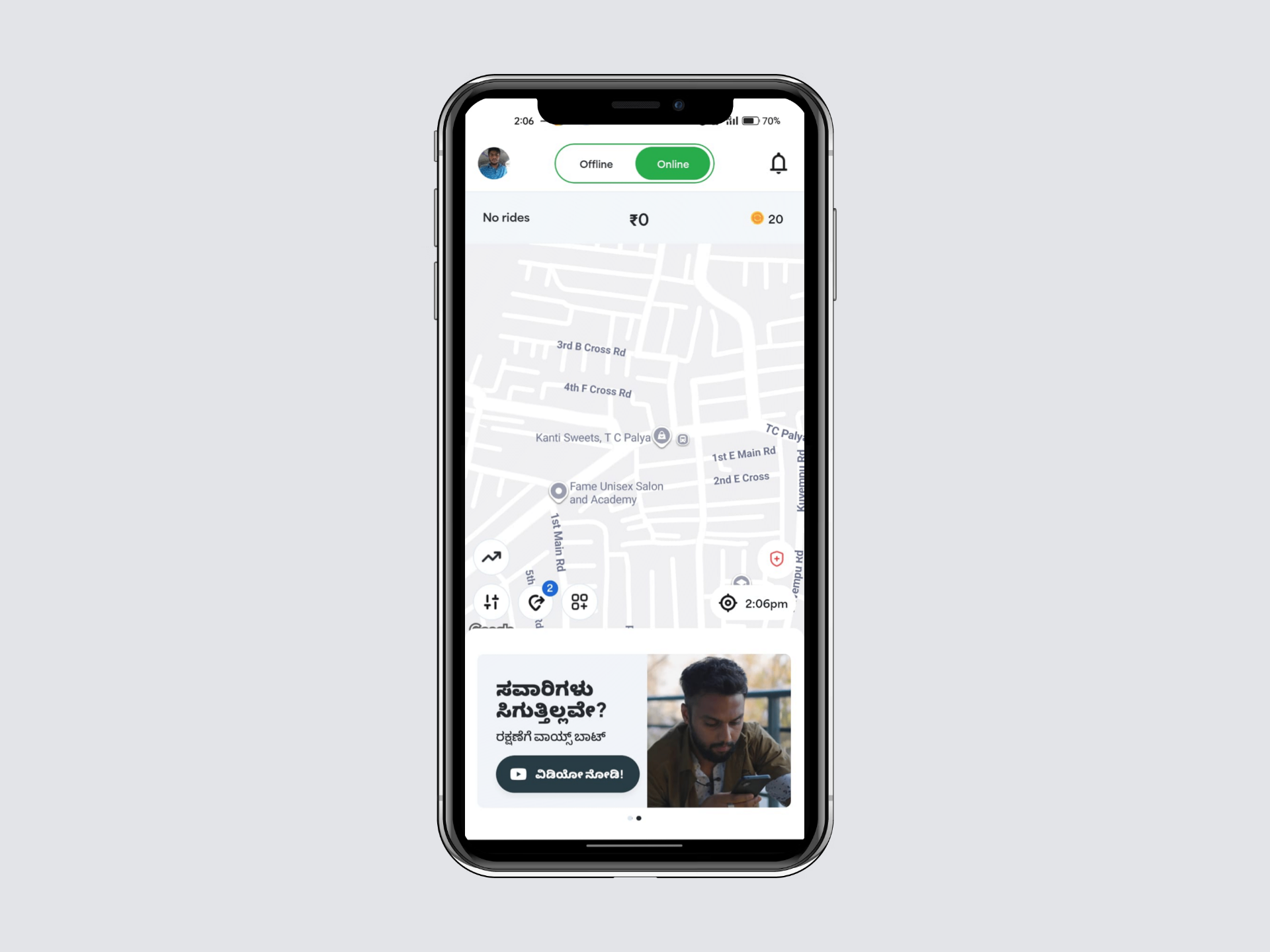
Original flow — friction, ambiguity, and drop-off points.
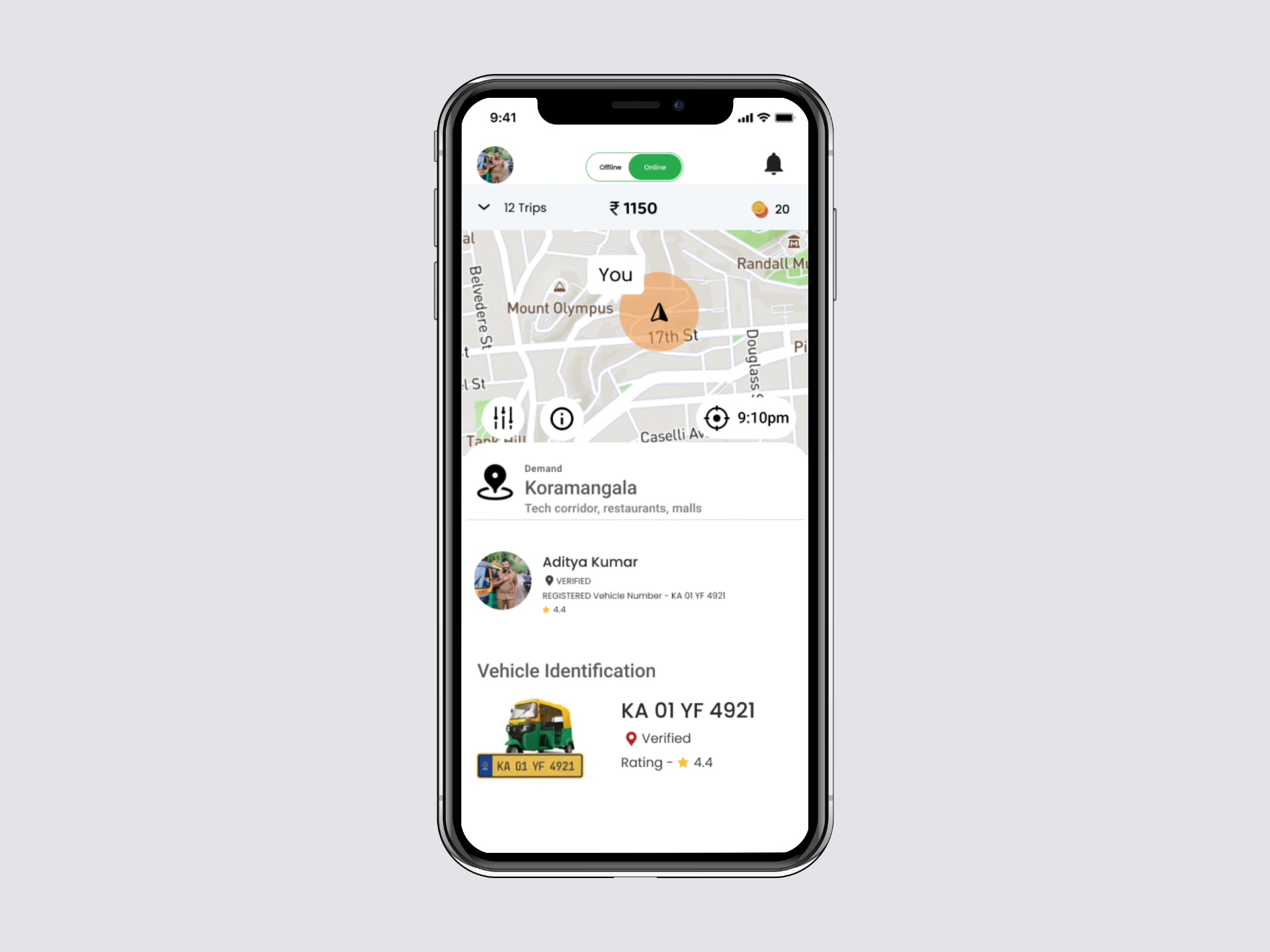
Revised flow — clearer hierarchy, fewer steps, measurable improvement.
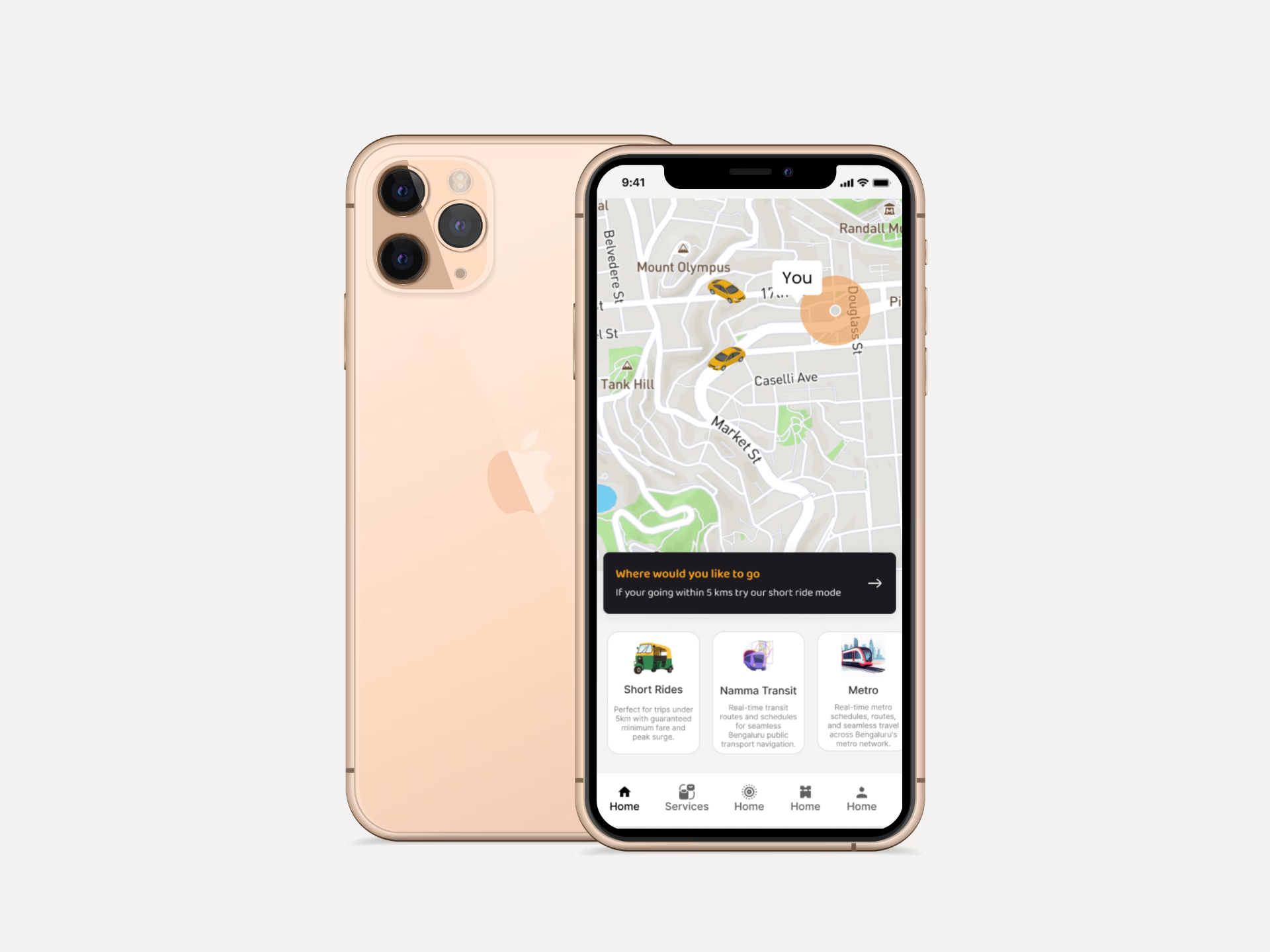
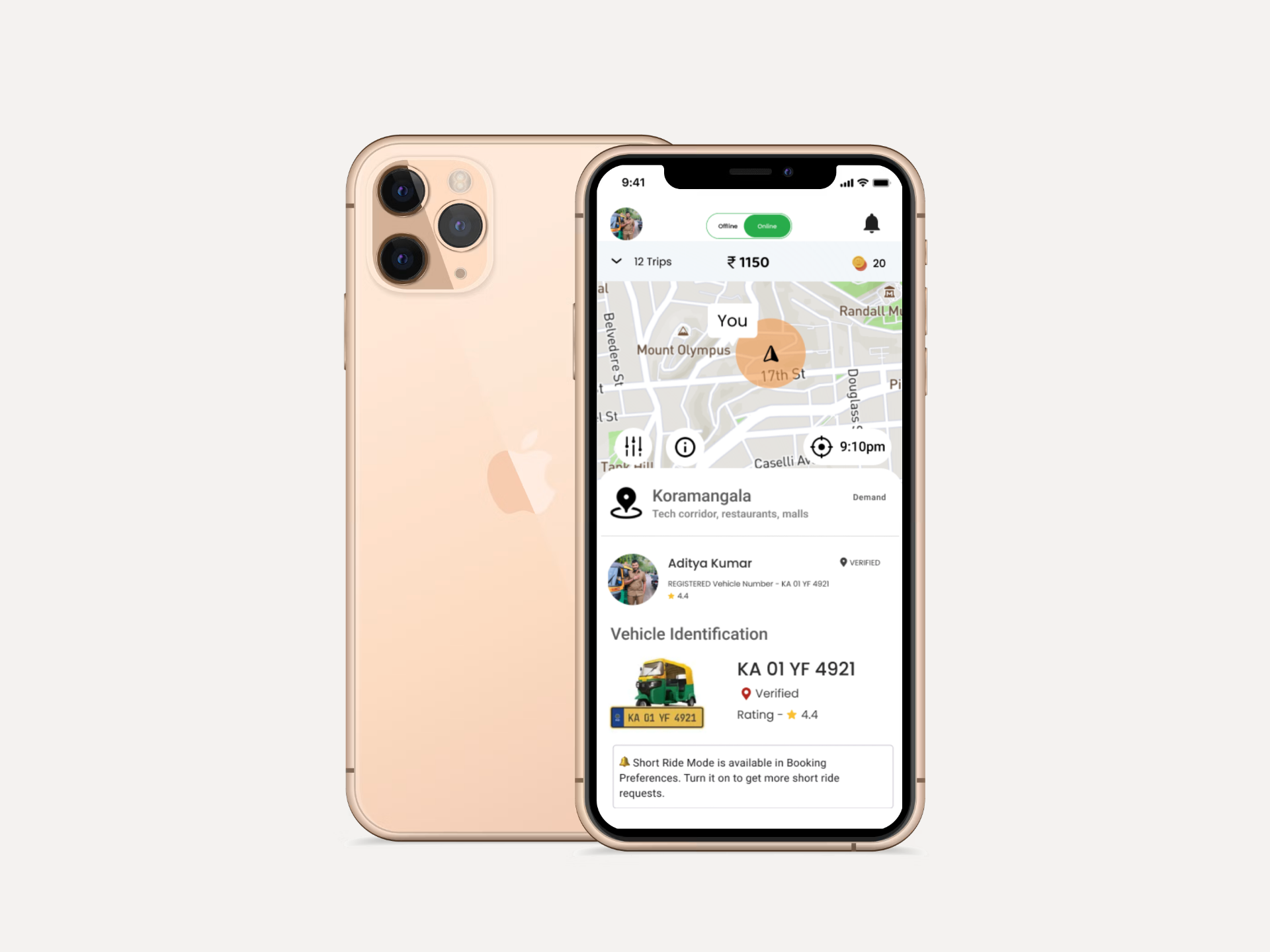
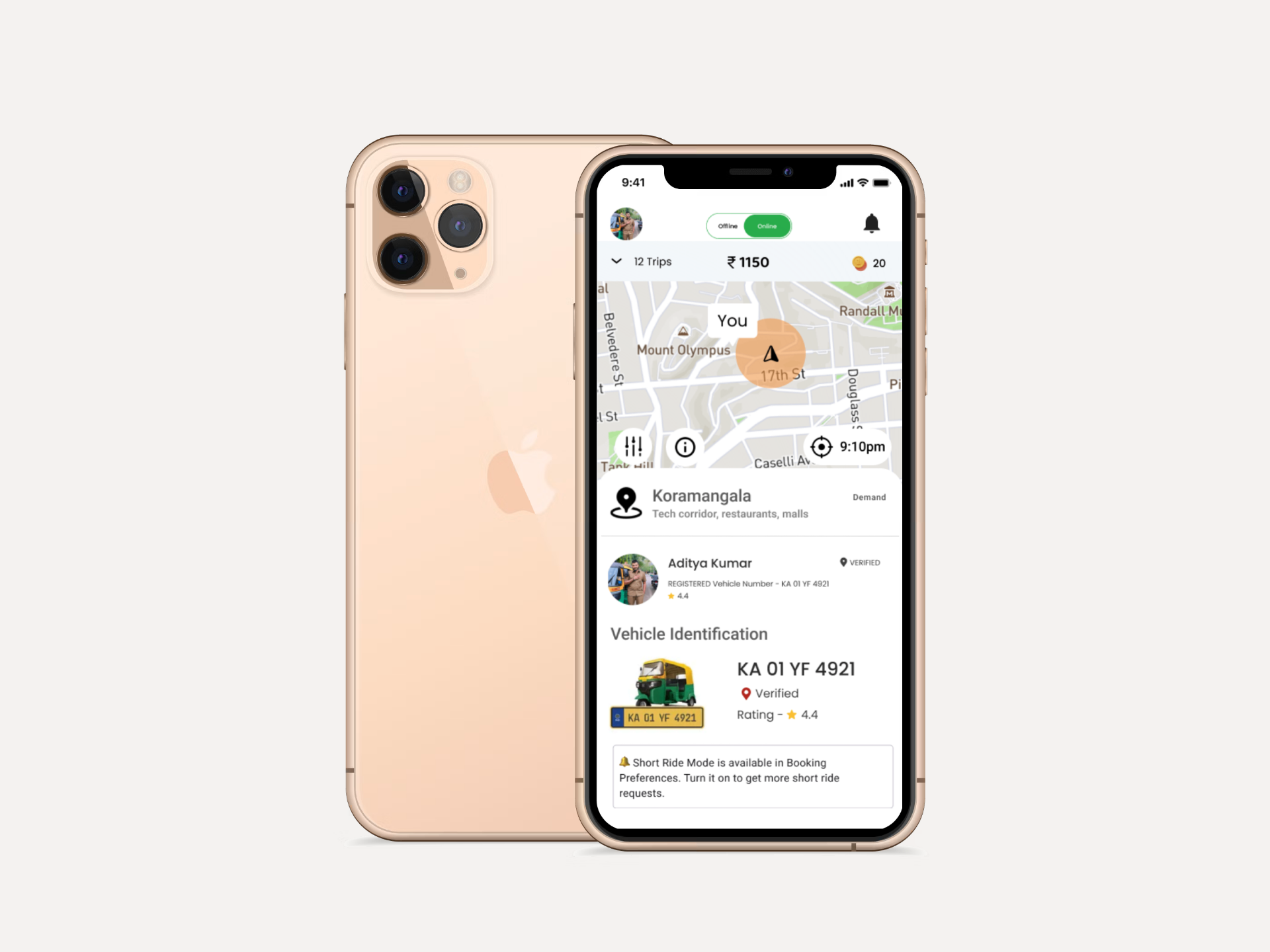
Selected surfaces.
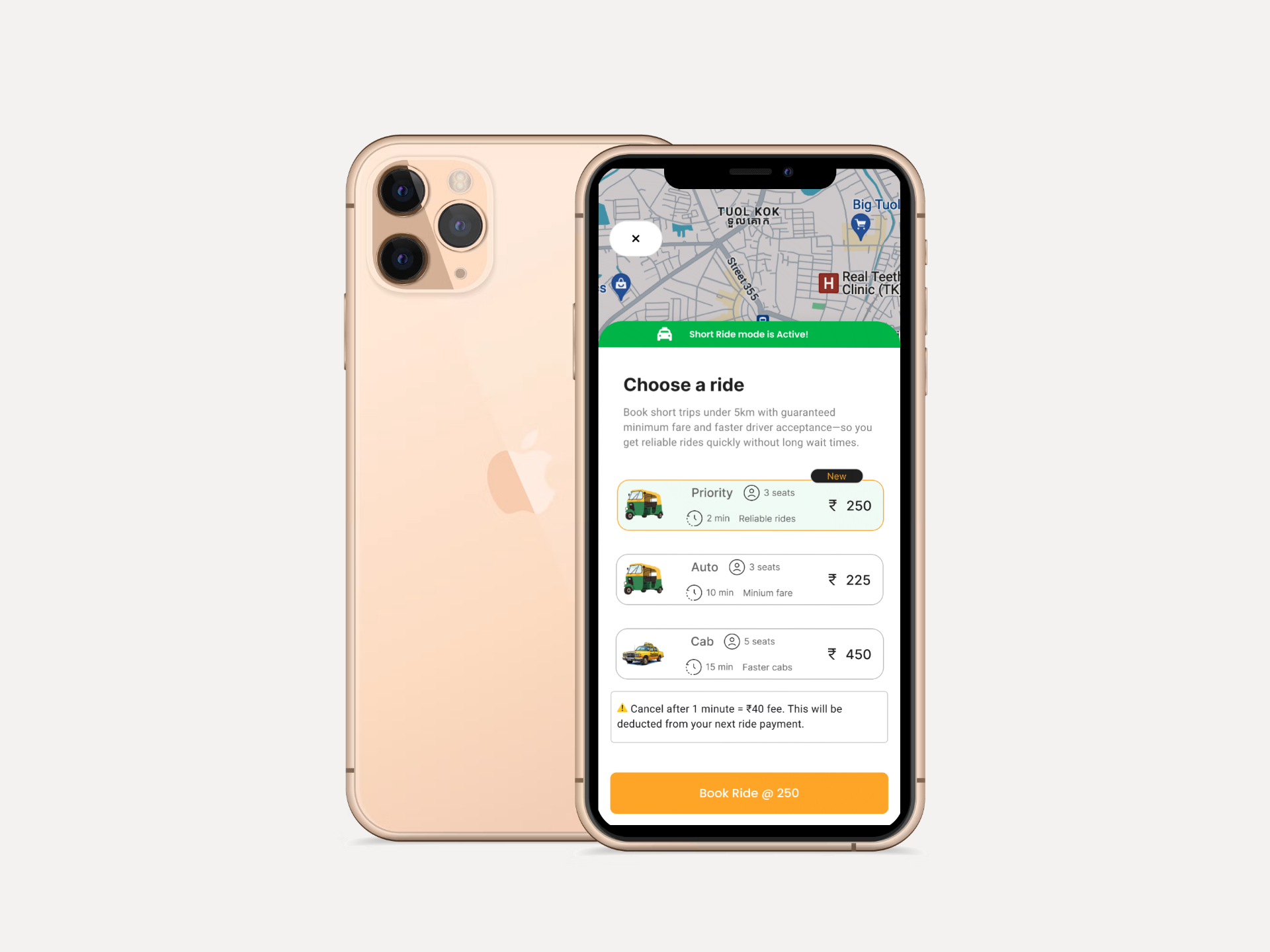
Outcomes, honestly labelled.
Driver cancellations
User cancellations
Trust signals surfaced
What I'll carry into the next project.
- 01
Marketplace UX is service design first, screen design second.
- 02
Fairness surfaces belong on both sides of the transaction.
- 03
Small trust signals compound faster than large feature bets.
Interested in working together?
Selective full-time, consulting, and advisory work in enterprise SaaS, healthcare, mobility, and AI.
Next project
CAQH
Compressing a compliance-heavy healthcare workflow into a system providers actually finish.
View case study